Taster #1: Portrait of the Artist as a Very Different Young Man - Two Selections from Ernest Hemingway’s First Short Story Collection: In Our Time (1929)
Event Details
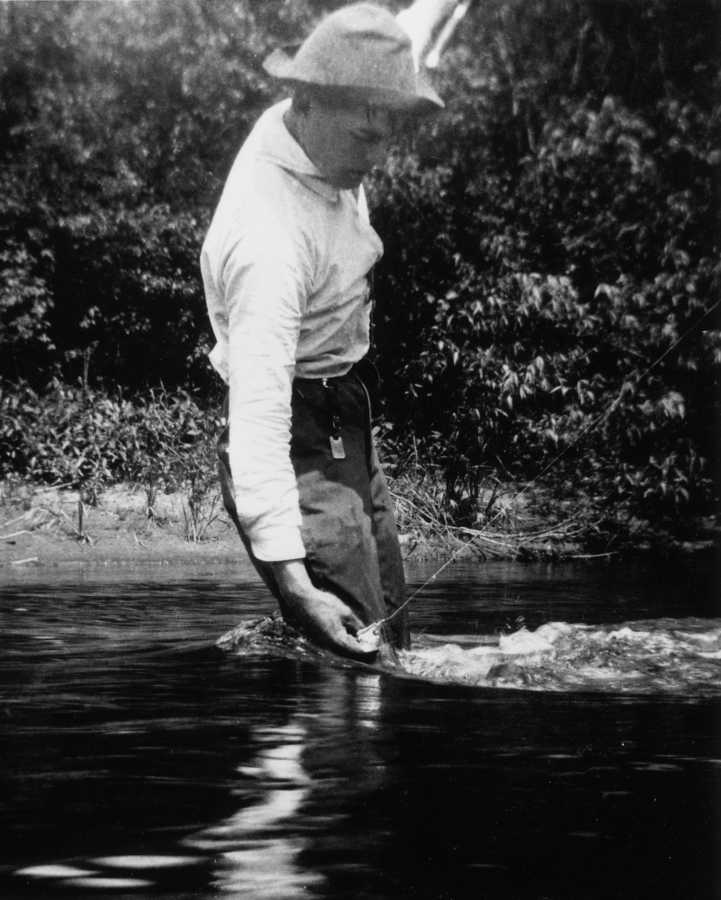
Join this first of three bite-sized sample studies Professor Nancy Goldstein is offering during October as a way of introducing herself to the Salon. The only fee is a pay-what-you-want donation to José Andres’ World Central Kitchen, which feeds hungry people in war and emergency zones all over the world, from Gaza and Ukraine to Pakistan. It’s entirely up to you to decide where, or whether, or how much to give. Perhaps the price of your last flat white or pint?
Taster #1: Portrait of the Artist as a Very Different Young Man – Two Selections from Ernest Hemingway’s First Short Story Collection: In Our Time (1929) – Thursday, 9 October, 6.00 -7:30 pm (UK)
It was novelist Margaret Atwood, best known for her dystopian feminist classic The Handmaid’s Tale (1985), who convinced me to give Hemingway a serious try. During an interview with Rachel Martin on National Public Radio in 2024 (you can listen here), Atwood explained:
Margaret Atwood: “There’s a Hemingway story in which a young man is having a campout with his girlfriend, and she realizes that things aren’t the same and she says, ‘What’s wrong?’ and he says, ‘It’s not fun anymore.’ So I think there are points in your life — for everybody’s life — when they think, ‘It’s not fun anymore.’ It’s a pretty crushing thing to say.”
Rachel Martin, NPR: “I guess, but like, I don’t know. Ernest Hemingway I don’t want to hold up as my romantic role model.”
Margaret Atwood: “It’s not a question of romantic role model: it’s a question of good story writer. And no matter what you may think of Hemingway’s private life, which I know too much about, In Our Time is one of the game-changing story collections of the 20th-century. He was a nightmare as a husband and romantic partner, but that’s . . . a different thing.”
So I read In Our Time, and . . . Atwood really had a point. I found the incisive younger Hemingway, with his modernist sensibility and his consciousness about whiteness, womanhood, class, sex, love, race and privilege a fascinating, welcome surprise. I think he will be to many other participants too.
JOINING DETAILS:
- Single session live study on Zoom led by Professor Nancy Goldstein
- Thursday 9 October, 6.00-7.30 pm (UK)
- Links to text (which we estimate will take less than an hour to read) will be supplied along with Zoom details.
Nancy Goldstein’s first full-length Salon study: Education and its Discontents: the 21st-Century Bildungsroman begins on 6 November.