This is a repeating event- Event 3 / 518 August 2026 6:00 pm1 September 2026 6:00 pm
Wide Sargasso Sea - Jean Rhys
Event Details
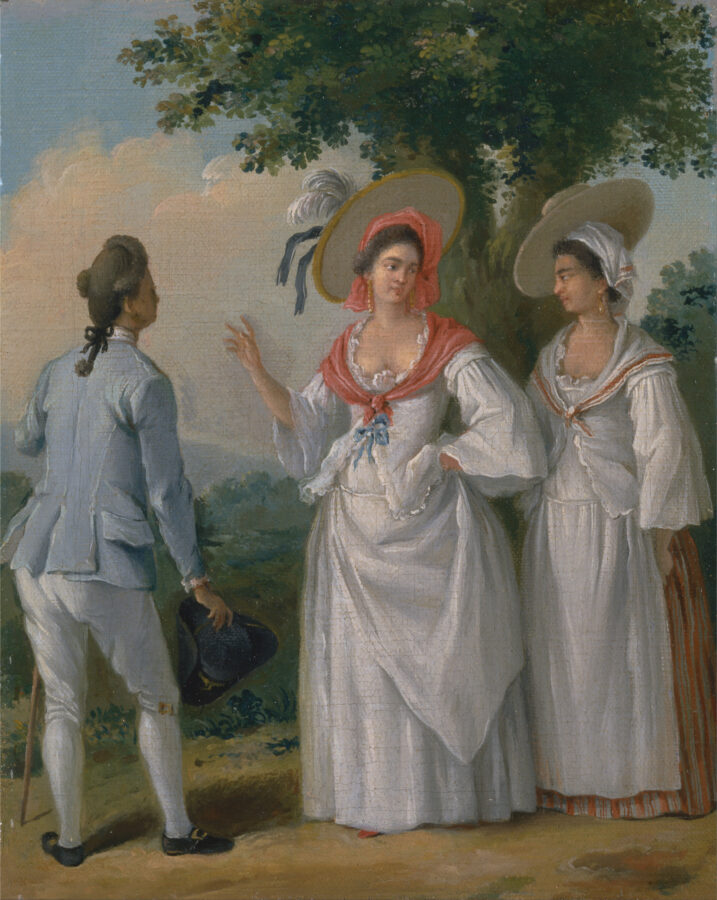
“There is no looking glass here and I don’t know what I am like now. I remember watching myself brush my hair and how my eyes looked back at me. The girl I saw was myself yet not quite myself. Long ago when I was a child and very lonely I tried to kiss her. But the glass was between us—hard, cold and misted over with my breath. Now they have taken everything away. What am I doing in this place and who am I?“
These words, spoken by Antoinette Cosway in Wide Sargasso Sea, depict a woman who has been split into two parts. One (‘a girl’ or ‘child’) she knows, the other is an unknown self who is trapped by the memory of the other. That she should feel this way is quite understandable in light of her circumstances. Although she was born in the West Indies, she now lives at Thornfield Hall in England, and despite her real name being Antionette, her husband has christened her ‘Bertha Mason’ and labelled her mad.
Wide Sargasso Sea extends and deepens the literary classic Jane Eyre by providing a backstory for the mysterious character of Bertha Mason. While Charlotte Bronte left Bertha’s feelings an unknown entity, Rhys places them right at the heart of a narrative that explores racism and colonialism alongside the themes of feminism and personal autonomy.
Participants do not have to have read Jane Eyre to understand Wide Sargasso Sea, but a decent knowledge of the former would be useful. People may wish to use this as an extension to one of the Jane Eyre studies or as a stand-alone study of a mid-20th century classic. Much as it’s tempting to use the novel to read ‘back’ to the 19th century of Bronte’s text, we can also discuss what this text reveals about the culture of the 1960s. We might also consider this in relation to the fall of Empire and the cultural aftermath of that political project.
JOINING DETAILS:
- Five-meeting study, live on Zoom, led by Karina Jakubowicz
- Tuesday 11, 18, 25 August & 1, 8 September 2026, 6.00-8.00 pm (UK)
- Recommended edition: Wide Sargasso Sea by Jean Rhys, Penguin Modern Classics, ISBN-13 : 978-0141182858
- £200 for five two-hour meetings